If you’ve ever watched an injection molding machine turn a pellet of raw plastic into a perfectly shaped car bumper, a child’s toy, or a tiny medical component, you might have wondered what makes that process so precise and consistent. As someone who’s spent 12 years working with injection molding equipment—first on the factory floor running presses, now as part of a team supplying these machines to manufacturers across North America—I can tell you the heating system is the unsung hero of every cycle. It’s not just about melting plastic; it’s about controlling that melt with enough accuracy to avoid defects, waste, and costly downtime. Let’s break down exactly what that heating system does, why it’s non-negotiable, and how it ties into the results every shop owner cares about. Injection Molding Machine
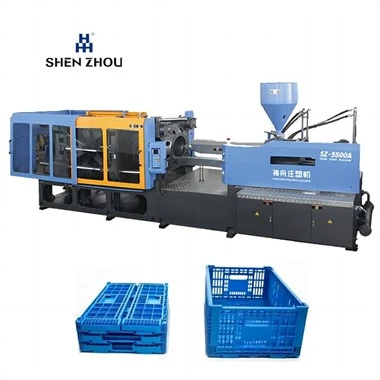
First, let’s get one thing straight: not all plastic melts the same. If you’ve ever heated plastic at home to fix a broken component, you know that some types get runny fast, others stay thick, and if you heat them too much, they burn or break down. Injection molding works by feeding dry plastic pellets—whether that’s ABS, polypropylene, PET, or even high-performance engineering plastics like PEEK—into a feed throat at the back of the machine. From there, they move into the barrel, a long, steel-lined chamber where a rotating screw pushes them forward toward the nozzle. This is where the heating system kicks in, and it’s split into two core functions that work hand in hand to turn solid pellets into a uniform, flowable melt.
The first and most obvious function is temperature regulation to achieve a consistent melt temperature. The barrel isn’t heated evenly, and that’s intentional. Most injection molding barrels have three to five separate heating zones, each with its own set of heating bands and thermocouples. The rear zone, closest to the feed throat, is usually kept a bit cooler—around 300°F for standard PP, for example—because the pellets there are still solid, and too much heat too soon can cause them to clump together or stick to the barrel walls, leading to bridging. Bridging is a common headache I see new operators deal with: when a solid arch forms over the feed throat, no more pellets can drop into the barrel, the process stops, and you have to shut down to clear it. That’s a waste of labor and material, so cooling the rear zone slightly prevents that.
Moving toward the nozzle, the heat rises steadily. The middle zones get the bulk of the heat, bringing the pellets up to their specific melting point—usually between 350°F and 550°F for most common plastics, but up to 700°F or higher for high-performance materials. The nozzle zone, right at the tip of the barrel where the melt is injected into the mold, is kept just a degree or two above the melt temperature. That prevents the melt from cooling and solidifying inside the nozzle between cycles, which would cause sprues (the leftover plastic that connects parts in the mold) to break or create uneven fill. The thermocouples in each zone are calibrated to measure temperature in real time, and the heating system adjusts power to the heating bands to keep fluctuations within plus or minus 1°F. That level of precision isn’t just for show; it’s the difference between a part that fills evenly and one that has a half-finished, weak spot.
The second, less talked-about function of the heating system is managing shear heat. When the screw in the barrel rotates, it doesn’t just push pellets forward—it rubs against them, creating friction that generates its own heat. I once worked with a shop that tried to run a high-flow ABS without adjusting their heating system, and they ended up with parts that were scorched on the surface. Why? Because they turned the barrel heaters down to compensate for the extra heat from the screw’s friction, but the melt only got hotter as the screw spun. The result was overheated plastic that degraded, releasing fumes and leaving brown, brittle parts. That’s where a good heating system has a control panel that works in tandem with the machine’s screw speed: if the screw runs faster (common for thin, complex parts that need quick fill), the system automatically reduces the barrel heater output to keep the total melt temperature stable. It’s a balancing act that takes years to master, but modern heating systems we supply have built-in algorithms that do that adjustment automatically, taking the guesswork out of the operator’s hands.
Beyond just melting plastic, the heating system is critical for part quality and consistency—two things that can make or break a manufacturing contract. Let’s use a real example from a client I worked with in Ohio last year. They were making custom plastic water bottles for a local beverage brand, and their old machine had a failing heating system. The problem was inconsistent melt temperature: when the machine ran slow, the melt was too cool, so it wouldn’t fill the mold’s thin neck, and they had to toss 15% of parts. When they ran fast, the melt was too hot, so it stretched unevenly and had weak seams at the joints. After we replaced their old heating system with our precision-controlled band heaters and integrated thermocouples, their defect rate dropped to less than 2% and their cycle time went down by 10%. They told us that saved them over $20,000 a year in material and labor costs. That’s the kind of impact a well-functioning heating system has, even if it’s not the part everyone talks about.
It also plays a key role in reducing waste, which is a huge priority for manufacturers these days. The plastic industry generates millions of tons of scrap every year, and a lot of that scrap comes from poor melt control. If the heating system is too hot, plastic degrades—breaking down into smaller molecules that don’t form a strong, uniform part, and can’t even be recycled easily. If it’s too cold, the melt is thick, so you have to use higher injection pressure to force it into the mold, which can cause the mold to wear out faster or create flash (excess plastic that forms on the part’s edges). Flash is another big waste issue; every part with flash has to be trimmed, which adds labor time, and some parts even have to be discarded. A good heating system eliminates most of that by keeping the melt at exactly the right viscosity for the part’s design.
Let’s also touch on maintenance, because a heating system that’s working poorly isn’t just causing defects—it’s costing you money in repairs. The band heaters that wrap around the barrel can degrade over time, especially if the machine is run 24/7, which is common for many production facilities. If a heater fails, the corresponding zone cools off, leading to inconsistent melt. But the heating systems we supply are made with durable, high-wattage heaters that last 2–3 times longer than standard parts, and our thermocouples are calibrated to last the full lifespan of the machine. We also include a maintenance guide that tells operators how to clean the heaters and check connections twice a month, which prevents most unplanned shutdowns. One shop in Michigan told us that since they switched to our heating system, they’ve only had one heater failure in three years, compared to four or five a year with their old setup.
Wait, what about molds? A lot of people confuse the heating system of the injection molding machine with mold temperature control, but that’s a separate component. The machine’s heating system is in the barrel, while mold heating (or cooling) is in the mold itself, used to control how the melt cools once it’s injected. They work together, but they’re for different stages of the process. The barrel heating system is all about turning solid pellets into a uniform melt that’s ready to be injected, while mold temperature control is about shaping that melt into the final part. That’s a common misconception, so it’s worth clarifying: if someone is talking about the heating system of the machine itself, it’s the barrel assembly, not the mold.
Now, I want to be honest—no system is perfect, and even the best heating systems have challenges. If you run a high-temperature engineering plastic like PEEK, which melts at over 700°F, you need special high-temperature heaters and insulated barrels to retain heat, because a lot of heat can escape from the barrel walls. That’s why we design our heating systems to be customizable, not one-size-fits-all. If you’re running small parts with thin walls, you need a faster melt rate, so we adjust the heating zones to warm up more quickly and respond faster to temperature changes. If you’re running large, thick parts, you need a more gradual heat rise through the barrel to make sure the center of the pellets melts evenly, without leaving unmelted chunks that cause voids in the part.
A lot of new machine operators or shop owners don’t realize how much the heating system affects their bottom line until they have a problem. I’ve had clients come to us after buying a cheaper used machine, thinking they’d save money, only to find that the heating system is so unreliable that the downtime and scrap costs add up to more than a new machine would cost, in just a year. That’s why we always advise people to look beyond the machine’s size or price tag and pay close attention to the heating system: its calibration precision, heater durability, and how well it integrates with the machine’s control software.

Let’s circle back to that initial example of plastic pellets turning into a car bumper. That bumper has to be strong, durable, and shaped exactly to fit the car’s frame. If the heating system didn’t melt the pellets to a uniform temperature, the melt would flow unevenly, leading to weak spots in the bumper that could crack in a collision. Or, if the temperature was too high, the plastic would degrade, making the bumper brittle and useless. Every part that comes out of an injection mold is a product of dozens of small, precise steps, and the heating system is the foundation of all of them.
Injection Blowing Machine If you’re in the market for a new injection molding machine, or you’re looking to upgrade your current equipment to fix defects, reduce waste, and boost productivity, the heating system is one of the most important components to evaluate. It’s not the flashiest part, but it’s the one that keeps your production running smoothly, keeps your material costs low, and ensures every part meets your quality standards. We supply machines with advanced heating systems designed for all types of plastics and part sizes, and we work with every client to tailor the system to their specific needs. Whether you’re a small shop making custom toys or a large manufacturer producing medical components, we can help you find a solution that works. If you’re ready to talk about your production needs, reach out to us to discuss how a better heating system can improve your operations.
References
- Rosato, D. V., & Rosato, M. G. (2004). Injection Molding Handbook. Springer.
- Bradley, D. A. (2011). Materials for Injection Molding: Properties and Performance. Hanser Publications.
- International Organization for Standardization. (2018). Plastics—Injection Molding Machines—Safety Requirements. ISO 20430:2018.
- Crawford, R. J., & Kenny, P. (2012). Polymer Processing: Principles and Design. Woodhead Publishing.
Shenzhou Machinery Co., Ltd.
As one of the most professional injection molding machine manufacturers and suppliers in China, we’re featured by quality products and good price. Please feel free to buy advanced injection molding machine made in China here from our factory. We also accept customized orders.
Address: Fenghuang Town, Zhangjiagang City, Jiangsu Province, P.R.China
E-mail: sale@shenzhoumac.com
WebSite: https://www.shen-zhoumachinery.com/
