If you’re reading this, chances are you’ve got an alligator shear in your scrap processing yard, metal recycling shop, or industrial fabrication facility, and you’ve run into that annoying snag: shearing blades that are too tight, bending instead of cutting heavy steel; or blades that are too loose, leaving ragged edges and half-cut pieces that slow down your workflow. As someone who’s been selling and servicing alligator shears for over a decade—first on the shop floor, now as part of the team supplying reliable shears to operations across North America, I’ll be honest: adjusting hydraulic pressure on an alligator shear isn’t rocket science, but it’s easy to skip a critical step if you’ve only ever used the default setting your manufacturer left you with. Alligator Shear
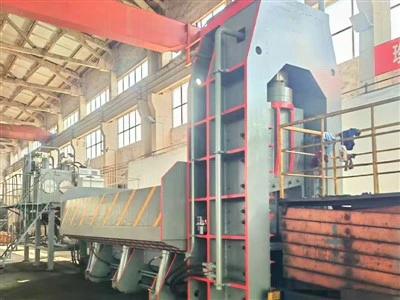
I’ve seen customers crank pressure too high to “make it cut better,” only to blow out seals in 6 months instead of 5 years, or run too low and waste 2 hours a day prying stuck steel off the bed. The sweet spot changes with the material you’re cutting, and that’s what this guide is all about. No confusing jargon, no made-up hacks—just what I’ve taught my own service technicians and what we walk new clients through when they pick up their first shear from us.
First, let’s get clear on what hydraulic pressure does in an alligator shear. Unlike mechanical shears that run on a fixed motor, alligator shears use pressurized hydraulic fluid to drive the ram that swings the top blade down. The pressure setting controls how much force the ram applies when it closes. Too little force, and the blade just presses against the material, deforming it instead of shearing through. Too much force, and you strain the entire system—pump, hoses, cylinder, and even the shear’s frame—leading to costly downtime. That’s why adjusting it properly isn’t just about getting a clean cut; it’s about keeping your shear running for years.
Before you even touch a pressure gauge or adjust a valve, there are two non-negotiable pre-checks I always stress. First, lock out and tag out the shear per OSHA (or your local safety standard) rules. I can’t tell you how many times a new operator has started working on the shear without disconnecting power, leading to a rogue ram moving and causing injury. Second, know what material you’re going to cut. A 1/4-inch aluminum pipe needs way less pressure than a 1-inch thick I-beam or stainless steel bar. I keep a small notebook at my service truck with common pressure ranges we’ve tested on our shears, and I share that with every client—more on that later.
Now, let’s walk through the actual steps. First, locate the pressure relief valve. On all our alligator shears, the pressure adjustment is on the main hydraulic pump’s relief valve, usually near the back of the power unit, marked with a small adjustment nut (some are bolted down with a lock nut to prevent accidental changes, so you’ll need a wrench to loosen that first). If you’re not sure where it is, pull out your shear’s manual—every manufacturer marks this clearly, and if you don’t have a manual, just give our team a call, we can send a digital copy right away.
Next, connect your pressure gauge. This is non-negotiable—don’t guess the pressure. We supply every client with a compatible gauge when we deliver a new shear, but if you’re using an old one, make sure it’s rated for at least 1.5 times your shear’s maximum pressure (if your shear does up to 3,000 PSI, get a gauge that goes to 4,500 PSI). You’ll attach it to the test port on the pressure line leading to the ram—again, if you’re not sure, our service team can walk you through that over the phone.
Now, adjust the pressure. Start with the material you’ll use most often. Let’s say it’s 1/2-inch thick mild steel, the most common scrap we see. Stand to the side of the shear (never directly in line with the blade, just in case something slips), loosen the lock nut on the relief valve, then turn the adjustment nut clockwise to increase pressure, counterclockwise to decrease. Only turn it in small increments—quarter-turns at a time, not full turns.
Once you’ve made a small adjustment, test it. Run the shear through a full cycle (close the blade, then open it back up) without any material in the jaw, then try cutting a piece of your test material. If the blade still bends the material instead of shearing through, turn the adjustment nut a quarter-turn clockwise. If it cuts all the way through but leaves ragged edges, or the ram moves too fast and slams into the bottom, that’s too much pressure—turn it counterclockwise a quarter-turn. Keep testing and adjusting until you get a clean cut every time, no bending, no ragged edges.
Last step, lock it in. Once you’ve got the right pressure for that material, tighten the lock nut on the relief valve to keep it from moving. Do not skip this—vibration from daily operation will loosen the nut over time, and you’ll wake up one morning with the pressure changed and cuts gone wrong.
But wait—what if you’re cutting different materials all day? That’s where most customers mess up. I always tell them to adjust pressure based on the thickest, hardest material you’re cutting that shift, not the thinnest. Let’s say your day is 1/4-inch aluminum, 1/2-inch steel, and 1-inch stainless. If you set the pressure for the 1-inch stainless, you’ll be wasting power on the thin aluminum, but if you set it for aluminum, you’ll never get through the stainless. The other option is to keep two pressure settings if your shear has a secondary relief valve (we offer this as an add-on for operations that switch materials constantly). You can set one for light gauge aluminum and copper, another for medium steel and heavy structural steel, and flip between them in 30 seconds.
I get a lot of questions: “Is it okay to run at maximum pressure all the time?” No. That’s the fastest way to wear out your seals and shorten your shear’s lifespan by years. The default setting from the factory is usually the maximum pressure, designed to work with the hardest material the shear is rated for, but you don’t need that every day. Adjusting it down for lighter materials saves energy, reduces wear, and keeps your cuts clean.
Another common issue I see is customers adjusting pressure without checking the hydraulic fluid level. If your fluid is low, the pressure will be lower than it should be, because there’s air in the lines. Before you adjust pressure, check the fluid level in the reservoir—make sure it’s between the minimum and maximum marks, and that it’s clean. Dirty fluid will also throw off pressure readings, because debris can clog the relief valve. If your fluid is dark or has sediment, change it first, then adjust pressure.
Over the years, I’ve also picked up a few tricks from field service that aren’t in the manual. If you’re cutting thin sheet metal that’s prone to slipping, you can bump the pressure up a tiny bit (100-200 PSI) to keep the blade from sliding, but don’t go higher. For heavy I-beams, let the blade do the work—don’t force it by cranking pressure up; if the shear is rated for that material, it will cut it at the proper pressure, no extra force needed. If you find yourself cranking pressure every time you cut a certain material, that’s a sign your blades are dull, not that you need more pressure. Dull blades require extra force to cut, so sharpen them every 500 to 1,000 cycles, and you’ll see pressure drop right back to normal.
I’ll be honest, most of the service calls we get aren’t for broken shears—they’re for customers who adjusted pressure wrong, or never adjusted it at all, leading to wasted time, bad cuts, and unnecessary repairs. Last year, a customer in Detroit called us panicking because his shear wouldn’t cut 1-inch steel beams, and he said he’d been running it at maximum pressure for 3 years. We sent a technician out, checked the pressure, and it was 400 PSI over what it should be. We adjusted it, sharpened the blades, and he was back to cutting clean, straight beams in an hour—no new parts needed, just a pressure adjustment. That’s the kind of thing we love to fix.
If you’re new to alligator shears, or you’re dealing with a shear that’s been sitting idle for a while, don’t hesitate to reach out if you’re unsure about adjusting pressure. We’ve been supplying alligator shears to recycling yards and fabrication shops for years, and we don’t just sell equipment—we support our customers through every step, from setup to daily operation. Whether you need a quick walkthrough over the phone, a service technician to come out to your yard, or a new shear that’s built for your specific cutting needs, our team is here to help. No automated chatbots, no generic sales pitches—just people who know shears, because we work with them every day.
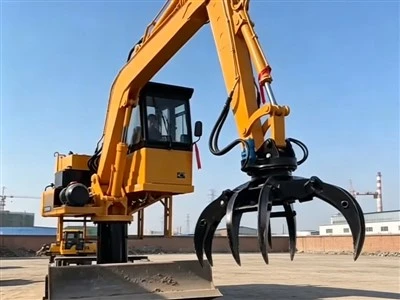
At the end of the day, adjusting hydraulic pressure on an alligator shear is simple when you take the time to do it right, instead of just cranking the knob and hoping for the best. It saves you money on repairs, reduces material waste from bad cuts, and keeps your operation running smoothly. Don’t let a basic maintenance step trip you up—your shear will last longer, your cuts will be cleaner, and your crew will thank you for it. For more tips on alligator shear maintenance, or to discuss a new shear that fits your work, feel free to get in touch with our team. We’re ready to help you get the most out of your equipment.
Horizontal Briquetting Machine References:
- Occupational Safety and Health Administration (OSHA). Lockout/Tagout: Standard 29 CFR 1910.147.
- Steel Manufacturers Association. Recommended Hydraulic Pressure Ranges for Metal Shearing Equipment, 2021.
- Hydraulic Institute. Hydraulic System Maintenance and Pressure Calibration Guidelines, 2019.
- Alligator Shear Technical Manual, Global Industrial Equipment Supply, 2022.
Jiangyin Hangli Technology Co., Ltd.
Jiangyin Hangli Technology Co., Ltd. is one of the most professional alligator shear manufacturers and suppliers in China. We are committed to providing high quality custom service and OEM service with low price. We warmly welcome you to buy high-performance alligator shear for sale here from our factory. Also, pricelist is available.
Address: No. 11, Louxia Road, Zhouxi Village, Zhouzhuang Town, Jiangyin City, Wuxi City, Jiangsu Province, China
E-mail: sherry@hanglimachinery.com
WebSite: https://www.hanglirecycling.com/
