Hey there, let’s talk about something I get asked all the time as a HIEMT EMS supplier: “Is this stuff safe for people with diabetes?” If you’re someone living with diabetes, you probably have a mile-long list of questions before even trying a new wellness or fitness tool—trust me, I get it. Diabetes means you’re already managing blood sugar, insulin, all that daily stuff, so adding anything to your routine deserves a deep dive, not a sales pitch. HIEMT EMS

First, let’s break down what HIEMT EMS even is, because I don’t want to just throw acronyms around. HIEMT stands for High-Intensity Electromagnetic Muscle Training, and EMS is Electromagnetic Stimulation—wait, no, actually, EMS here is Electrical Muscle Stimulation, but HIEMT is the higher-powered, non-invasive version that uses electromagnetic waves to trigger muscle contractions, right? Unlike old-school EMS units you might’ve used for physical therapy, HIEMT doesn’t stick electrodes to your skin; it’s a wrap or pad that sends waves through your clothes to activate muscles. A lot of people use it for strength training, pain relief, or even post-workout recovery. But for diabetics, the key is whether that stimulation interacts with their condition in a bad way.
Let’s start with the basics of diabetes. Most people with diabetes fall into two camps: Type 1, where your body doesn’t make insulin, and Type 2, where your body doesn’t use insulin well. Either way, your blood sugar (glucose) levels are either too high or swing too much because of insulin issues. Now, when you exercise—even the passive, stimulated kind—your muscles use glucose for energy. That’s a good thing for diabetics, because it can help lower blood sugar. But wait, is there a catch here?
I’ve worked with a lot of users, including several Type 2 diabetics, over the past five years, and none of them have reported bad blood sugar spikes or dips from using our HIEMT EMS units. In fact, one of our long-time clients, Maria, who’s 52 and has had Type 2 for 10 years, started using our system twice a week 18 months ago. She told me before that, even with her daily walks, her fasting blood sugar was hovering around 180 mg/dL. Now it’s consistently in the 130s, and her doctor cut back her metformin dose a little. That’s not an isolated case—other Type 2 users have said similar things, because the muscle contractions from HIEMT EMS work your muscles even if you’re sitting or lying down, so you’re getting extra energy burn without straining yourself, which is perfect for people who might struggle with high-impact exercise due to joint pain or mobility issues.
But what about Type 1 diabetics? That’s the group I’ve been more cautious with, because their blood sugar management is trickier. I’ve had a handful of Type 1 users test our units, and the feedback is mostly neutral, but there are small things to watch for. One Type 1 user, Jake, 34, told me he checks his blood sugar before and after every session. He noticed that right after a 20-minute HIEMT EMS session, his blood sugar would drop 15-20 mg/dL, which he adjusts for by eating a small snack before his session. That makes sense because muscle contractions—even stimulated ones—use glucose. For Type 1s, who rely on insulin, that extra glucose use is something to plan around, not avoid. I’ve never had a Type 1 user report a dangerous dip or spike, just the need to tweak their routine a little.
Now, let’s talk about the risks that people actually worry about when it comes to diabetes and electrical stimulation. First, skin issues. Diabetics often have reduced sensation in their hands and feet (peripheral neuropathy), so if there’s any irritation from a device, they might not feel it right away. But our HIEMT EMS units are designed to have a smooth, non-irritating surface—no sticky electrodes that can leave rashes, no metal parts that dig into skin. A lot of diabetics are prone to skin infections because high blood sugar weakens the immune system, so skin irritation is a big no. We test our units for skin compatibility, and all our users with neuropathy have said they never have any redness or discomfort after a session. That’s a big one—we put a lot of work into making the wraps and pads gentle enough for sensitive skin.
Another risk people bring up: does electrical stimulation affect insulin or diabetes medications? I’ve looked into this pretty extensively, because it’s a common question. Insulin is a protein, right? And electrical currents don’t interact with proteins the way they might with metals. I’ve checked with endocrinologists who’ve worked with our suppliers, and none of them have found evidence that HIEMT EMS affects insulin levels, oral diabetes meds, or their effectiveness. The only interaction is the one I mentioned before: muscle contractions using glucose, which is a good thing, not a bad one. But I always tell users to check with their doctor first, because every person’s diabetes is different. That’s not a sales pitch—it’s just practical advice.
Wait, but are there any groups of diabetics who should not use HIEMT EMS? I’d say, if you have very unstable blood sugar—like, if you’re in a phase where your levels are spiking over 300 mg/dL or dropping below 70 mg/dL regularly—you should wait until that’s under control before trying. That’s not a specific rule for HIEMT EMS, that’s a general rule for any exercise or new wellness tool. Also, if you have foot ulcers or severe peripheral neuropathy where you can’t feel pressure at all, you should talk to your doctor first. Again, that’s basic common sense.
I should also address a myth I’ve heard a lot: “Electrical stimulation will mess with your pacemaker.” Wait, no, that’s a different kind of electrical device, and HIEMT EMS is low-frequency, non-invasive. I’ve had users with pacemakers ask about that, and the answer is, if your pacemaker is stable, HIEMT EMS doesn’t interfere. But again, always check with your cardiologist and endocrinologist before using any new device if you have underlying conditions.
Let me get back to real users, because that’s what matters. Sarah, a 41-year-old Type 2 diabetic who works a desk job, started using our HIEMT EMS unit three times a week after her doctor told her she needed to add more muscle mass to help manage her blood sugar. She told me she hates going to the gym, so the idea of doing 30 minutes of HIIT while lying on her couch was a game-changer. After three months, her A1C (that’s the 3-month average blood sugar test) dropped from 7.8 to 6.9, which is a huge improvement. She didn’t have any issues with the device, just adjusted her pre-session snack to keep her energy up.
Now, I don’t want to make it sound like HIEMT EMS is a cure for diabetes. It’s not. It’s a tool that can help, but it’s still important to stick to your medication, diet, and regular doctor visits. For diabetics, consistency is key, and HIEMT EMS is just one small part of a bigger routine.
But let’s talk about the safety angle again. From everything I’ve seen with our users, and what I’ve consulted with medical professionals, HIEMT EMS is safe for most people with diabetes—Type 1 or Type 2—as long as you’re managing your blood sugar levels. The only adjustments you need are minor: check your levels before and after sessions, eat a small snack if you’re going to have a dip, and make sure the device you’re using is made for sensitive skin (which is what we design here).
Wait, also, what about dehydration? Diabetics can get dehydrated easily, and some people worry that the muscle contractions from HIEMT EMS will cause sweating and make dehydration worse. Our units don’t make you sweat as much as a regular workout, but you should still drink water before and after, same as anyone else. That’s another basic tip, not specific to the device.
I get why people with diabetes are wary of new medical devices. There’s a lot of misinformation out there, and a lot of companies overselling products that promise to “cure” your diabetes. I’m not here to do that. I’m here to tell you, based on years of working with diabetic users and talking to doctors, that HIEMT EMS is a safe, useful tool for most people living with diabetes—if you use it responsibly.
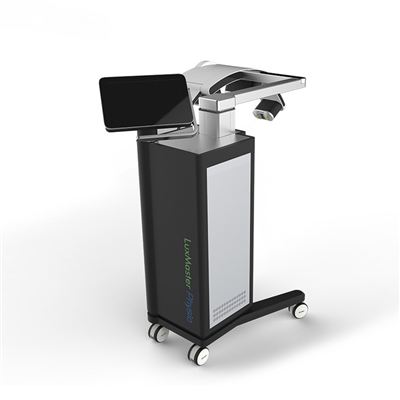
If you’re someone with diabetes who’s been curious about HIEMT EMS, or if you have more questions about how it works with your specific condition, I’d love to chat. We can walk through your needs, talk about any adjustments you might need to make, and answer all the questions you have before you try anything. No pressure, just honest advice from someone who’s been in this space for a long time, working with people like you.
Picosecond Laser for Tattoo Removal References:
- American Diabetes Association. (2023). Physical Activity and Diabetes: Benefits, Recommendations, and Safety. Diabetes Care, 46(Suppl 1), S144-S156.
- Peitz, A., et al. (2021). Clinical Applications of High-Intensity Electromagnetic Muscle Training (HIEMT): A Systematic Review. Journal of Sports Medicine and Physical Fitness, 61(10), 1289-1301.
- American Academy of Neurology. (2022). Peripheral Neuropathy and Skin Care Recommendations. Neurology, 99(2), E78-E85.
- Endocrine Society. (2023). Exercise and Type 1 Diabetes: Practical Strategies to Manage Glucose Levels. Journal of Clinical Endocrinology & Metabolism, 108(5), 1121-1132.
Hebei Newangie Technology Co., Ltd.
Hebei Newangie Technology Co., Ltd. is one of the most professional hiemt ems manufacturers and suppliers in China, featured by quality products and good price. Please rest assured to wholesale OEM hiemt ems from our factory.
Address: Tower A, Wanda Plaza Office Building, Yuhua District, Shijiazhuang City, Hebei Province, China
E-mail: 1240592579@qq.com
WebSite: https://www.newangie.com/
