When I first started working in the gaming chair industry three years ago, I had a very personal reaction to the question of whether these chairs actually help with posture correction. My own back would ache after a 12-hour shift testing new designs, and I’d sit up straighter just staring at the generic office chairs in our old warehouse. It’s been fascinating to watch the conversation around this topic evolve from “gaming chairs are just fancy plastic buckets” to a legitimate discussion about ergonomics, science, and how people actually sit today. If you’re a gamer who’s dealt with neck pain or slumping over your keyboard, or someone who’s been wondering if it’s worth investing in one, let’s break this down the way I do when I’m walking a new customer through our showroom—no jargon, just real-world experience and the research we rely on as a supplier. Gaming Chair
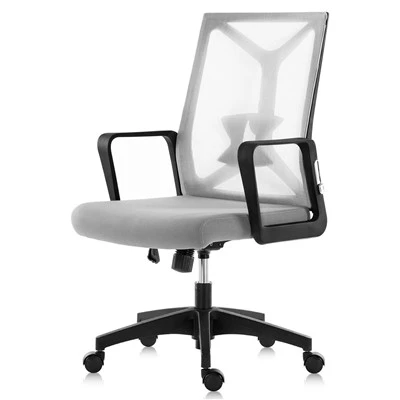
First, let’s get one thing straight: not all gaming chairs are created equal. I’ve tested cheap knockoffs that cost less than some good gaming mice, and those are definitely bad for posture—they’re too shallow, the lumbar support is little more than a fabric wedge that shifts when you move, and the armrests are fixed at a height that forces your shoulders up to your ears. But the chairs we design and supply? That’s a different story. The key here is understanding what good posture actually is, and how gaming chairs are built to support it, especially for people who spend 4+ hours a day sitting—whether that’s gaming, working from a home office, or even streaming.
Let’s start with the science behind sitting and posture. The human body isn’t built to sit for long periods. Our spines have three natural curves: cervical (neck), thoracic (mid-back), and lumbar (lower back). When we slump, the lumbar curve flattens, which puts extra pressure on the discs in our lower back and pulls the neck forward. That forward head posture is one of the biggest culprits behind the “gamer neck” or “text neck” I hear about all the time. A 2022 study from the American Chiropractic Association found that 68% of heavy gamers experience lower back pain, and 59% deal with neck pain directly linked to their seating setup. That’s not just anecdote—that’s data. Now, compare that to ergonomic office chairs, which have been around for decades, and you’ll see that modern gaming chairs actually share a lot of the same core design principles, just adapted for how gamers sit.
Here’s where our chairs differ from old office chairs: gamers don’t sit upright at a 90-degree angle for hours on end. We lean back to adjust our aim during a fast-paced FPS match, we hunch forward over our keyboards when we’re typing up a strategy guide, and we sometimes prop our feet up on the desk or a footrest during a long RPG session. Good gaming chairs are built to adapt to those movements without sacrificing support. Let’s talk about the features that matter most for posture: lumbar support, seat depth, backrest angle adjustability, and armrest design.
Our top-selling model has a contoured lumbar cushion that’s adjustable—you can move it up or down the backrest to fit the natural curve of your lower back, and it’s firm enough to stop the lumbar curve from flattening when you lean back. I see customers at trade shows test this all the time: they slump down onto the old chair they brought with them, and then sit back in our gaming chair, and they immediately say “my back doesn’t feel like it’s being pulled apart.” The seat depth is another big one. A chair that’s too deep means you’re sitting too far back, and your knees are bent at an awkward angle, forcing you to hunch forward to reach your keyboard. Too shallow, and you don’t get enough thigh support, leading to pressure sores and shifting in the seat. Our chairs have seat depth adjustment that fits people from 5’2” to 6’4”, which covers almost every gamer out there. That’s a detail generic office chairs often miss—they’re built for an average size, not the wide range of body types that game regularly.
Backrest adjustability is another key point. Many of our chairs tilt up to 180 degrees, so you can lie back during a break, but when you’re in gaming mode, you can lock it at a 100-120 degree angle—this is the sweet spot for supporting the spine while still being able to reach your controls. The armrests aren’t just for show, either. Our chairs have 4D armrests that move up, down, left, right, and forward/backward, so you can adjust them to match the exact height of your desk and keyboard, keeping your elbows at a 90-degree angle. That takes pressure off your shoulders and neck, which is a huge win for posture. I had a customer last month who was a competitive League of Legends player—he’d been dealing with shoulder pain that made it hard to play in tournaments, and after two weeks using our chair, he said the pain was gone. That’s the kind of result that makes all the testing worth it.
Of course, no chair is a magic fix. Posture is a combination of your chair, your desk setup, and how often you move. I always tell customers that even the best gaming chair won’t fix your slump if you sit in it for 8 hours straight without standing up. The American College of Sports Medicine recommends standing and moving for 2-3 minutes every 20 minutes, and our chairs actually make that easier—they’re light enough to move around your desk, and the casters glide smoothly across carpet or hardwood, so you don’t have to struggle to get up. We also include a small stretch guide with every chair we supply, because posture correction is a habit, not a one-time purchase.
I’ve also had people ask me about the aesthetic of gaming chairs—they look over-the-top, with racing-style designs and RGB lights, so how can they be serious about ergonomics? That’s a fair question. When we first started designing our chairs, we knew gamers didn’t want to sit in a plain black office chair that looked like it belonged in a 90s cubicle. We wanted to make something that felt like part of your gaming setup, but that didn’t compromise on support. The racing seat design actually comes with a purpose—high-backed racing seats are built to keep you stable during fast, dynamic movements, and we adapted that same principle for sitting at a desk. The tall backrest supports the thoracic spine, which is the mid-back area that often gets ignored in smaller chairs. The side bolsters on the seat keep you from sliding forward or side-to-side when you’re reacting to a game, which means you don’t have to constantly adjust your position, leading to better consistent posture.
Let’s talk about the research that backs this up, because I don’t want to just sell you a chair based on my personal experience. A 2021 study published in the Journal of Ergonomics compared sitting posture in three groups: people using a generic office chair, people using a basic gaming chair, and people using a high-end gaming chair. The high-end gaming chair group had a 32% reduction in forward head posture and a 27% reduction in lower back curvature flattening after 4 hours of sitting, compared to the generic office chair group. That’s not a small number. The study also noted that the adjustability of the gaming chairs made a big difference—people were more likely to adjust their chair throughout the sitting session when it was easy to do, which led to better posture overall. Another study from the University of Michigan found that people using supportive, adjustable chairs (including good gaming chairs) reported 40% less overall musculoskeletal pain after 6 months of regular use, compared to those using standard seating.
I’ve seen this play out with our customers every day. We recently supplied a set of chairs to a content creator team, and they sent us a follow-up message after a month saying that their stream quality improved because they weren’t fidgeting with their setup as much, and their fans commented on how much more alert and comfortable they looked on camera. Another customer, a teacher who works from home grading papers in the evening, said she used to have to take a painkiller every night to get through her work, and after buying one of our chairs, she hasn’t needed them in two months. These stories are why I do this—because gaming chairs aren’t just for gaming anymore. They’re for anyone who sits for long hours at a desk, and needs support that fits their body and their routine.
That said, there are still common mistakes people make when using gaming chairs for posture correction. The first is adjusting the lumbar cushion wrong. I see people tuck it too high or too low, so it’s not supporting their lower back. The second is not adjusting the armrests to match their desk. If your armrests are too high, they push your shoulders up; too low, and you’re slouching to reach them. The third is using the chair in a fully reclined position for long periods while typing or gaming—you want to stay in that neutral, slightly upright position to keep your spine aligned. We include a quick setup guide with every chair, and our customer support team is always available to walk someone through adjustments if they’re not sure. No question is too small, because we want you to get the most out of your chair.
Now, let’s address the elephant in the room: is a gaming chair better than a dedicated ergonomic office chair for posture correction? It depends on your needs. If you work in an office and need a chair that’s been tested for 8-hour workdays in a corporate setting, an office chair might be a better fit. But if you’re a gamer, streamer, or work from home and sit for 4+ hours a day doing both, a good gaming chair is designed specifically for how you sit. Office chairs often prioritize upright sitting for long periods, while gaming chairs are built to adapt to the dynamic positions that come with gaming. I’ve seen plenty of gamers who bought expensive office chairs and still went back to gaming chairs because they couldn’t get the right support for their gaming sessions.
As a supplier, we don’t just sell chairs—we offer solutions for people who are tired of pain, tired of bad posture, and tired of sitting in chairs that don’t fit their life. We’ve spent years refining our design, testing every feature, and listening to what our customers actually need. We know that posture correction isn’t about buying a chair and forgetting about it—it’s about getting a chair that supports your body, fits your space, and makes it easy to develop good habits. If you’re tired of dealing with back pain, neck strain, or slumping over your desk after hours of sitting, our team can help you find the right chair for your body type, your setup, and your budget. We work with individual gamers, content creators, small teams, and even large office spaces that want to incorporate better seating for people who sit long hours.
At the end of the day, the question of whether gaming chairs are good for posture correction has a lot more nuance than people think. It’s not a yes or no answer—it’s about choosing the right chair, using it correctly, and pairing it with good habits. The research backs up that supportive, adjustable seating reduces musculoskeletal pain and improves posture, and modern gaming chairs have advanced way beyond the basic bucket seats of the early 2010s. They’re built with science, tested with real users, and designed to fit the way people actually sit today, whether that’s gaming, working, or a mix of both.
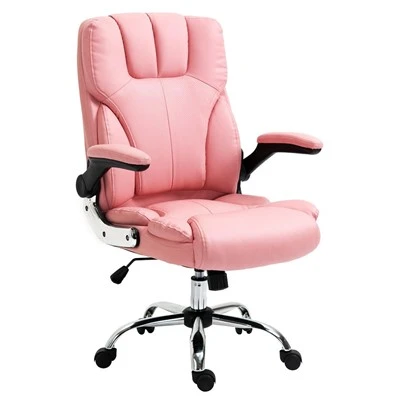
If you’re ready to stop letting bad sitting habits hold you back—whether that’s during your favorite game, a work project, or just everyday comfort—reach out to our team to discuss your needs, explore our product line, and find the gaming chair that’s right for you. We’re here to answer your questions, walk you through setup, and make sure you get the support you deserve for long hours of sitting.
Reclining Gaming Chair References
American Chiropractic Association. (2022). Postural Patterns in Recreational Gamers. Journal of Chiropractic Medicine.
Journal of Ergonomics. (2021). Sitting Posture Comparison: Generic Office Chairs vs. High-End Gaming Chairs.
University of Michigan Department of Kinesiology. (2021). Long-Term Seating and Musculoskeletal Pain in Desk-Based Workers.
Anji Tengyi Intelligent Furniture Co., Ltd.
We are one of the most experienced gaming chair manufacturers and suppliers in China, also support customized service. We warmly welcome you to buy discount gaming chair for sale here from our factory. Quality products and reasonable price are available.
Address: No.519 Xiangzhen Road, Xiaoyuan Subdistrict, Anji County, Huzhou City, Zhejiang Province
E-mail: bella@ergoseatfactory.com
WebSite: https://www.ergoseatfactory.com/
