Hey everyone, quick heads up if you’re working in rubber, tires, gloves, or any industry that uses vulcanization accelerators – you’ve probably heard of thiurams before. As a supplier that’s been in the thiuram game for years, I get a ton of questions about exposure limits, and it’s way more important than just checking a box on a safety sheet. Let’s break this down straight, no fancy jargon that makes your eyes cross. Thiurams
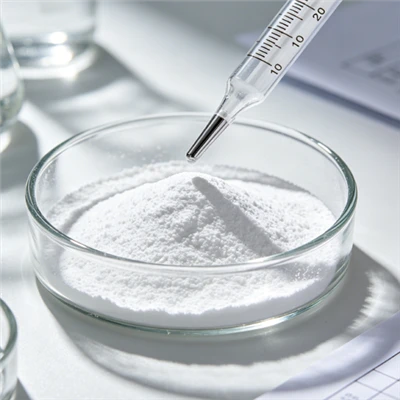
First off, what even are thiurams, for the folks still catching up? They’re a group of chemicals (most common are TMTD, TMTM, TMIL – yeah, those are the shorthand we use on the warehouse floor) that basically make rubber stretchy, durable, and set right when you heat it. Think about the car tires you drive on, the latex gloves you use at a hospital, the hoses on your factory machines – almost all of those use thiurams. But here’s the thing: when we process them, whether it’s mixing raw rubber, curing parts, or even cleaning equipment, tiny particles or vapors can get into the air. That’s where exposure comes in, and that’s why we have limits.
Now, the big question: what are the actual exposure limits? This isn’t one-size-fits-all, by the way – different countries and organizations set different rules, and a lot of it depends on how you’re exposed (breathing it in vs. skin contact, for example). Let’s keep this real, not just a list of numbers I copied from a website. For inhalation, the big ones you’ll hear about are OSHA (U.S.), HSE (U.K.), and ACGIH – those are the main safety groups most factories follow. OSHA’s Permissible Exposure Limit (PEL) for thiuram mix is 1 milligram per cubic meter (mg/m³) over an 8-hour workday, right? HSE is pretty close at 0.5 mg/m³ for the same time frame, and ACGIH’s Threshold Limit Value (TLV) is 0.5 mg/m³ too, but they also have a short-term limit – like 1.5 mg/m³ for 15 minutes, because if you get a big spike quick, that’s worse.
Wait, but hold on – skin exposure matters too, and a lot of people sleep on that. Thiurams can absorb through your skin, especially if you’re sweating (which happens a ton in rubber factories, let’s be real). Some guidelines add a skin notation, meaning the inhalation limit is just part of it – you can’t ignore hand-to-rubber contact, or getting the powder on your arms. I’ve seen workers who don’t wear gloves end up with rashes, and that’s not just an annoyance – it’s a sign they’re overexposed.
Why do these limits exist? It’s not just red tape. Long-term exposure to thiurams is linked to issues like respiratory irritation, asthma, and even contact dermatitis. Studies (the real, peer-reviewed ones, not the random forums) show that people who work with thiurams every single shift have higher rates of lung problems than folks in other manufacturing jobs. Also, some thiurams are suspected to mess with hormones, so the limits are there to keep you from building up too much of that chemical in your body over years.
Here’s where our experience as a supplier ties in. A lot of our customers used to say, “We just add more thiuram to speed up curing” – but then they’d hit the limit and wonder why their workers were getting sick, or OSHA was knocking on their door. We don’t just sell you the powder, we help you navigate the limits. Like, we can suggest the right grade of thiuram so you don’t have to use more than you need, which cuts down on excess dust. We also know which storage containers help keep vapors contained – because even if you’re storing a 25kg bag in a corner, if it’s not sealed right, dust gets out and pushes your air quality over the limit.
Wait, let’s talk about how companies mess up when it comes to these limits. I’ve had a customer call us panicking last quarter because their air tests came back at 1.2 mg/m³ – just over OSHA’s limit. They were using TMTD, too, which is one of the more volatile thiurams. We worked with their safety team to switch to a slower-curing grade, add local exhaust vents right by the mixing machine, and make workers use N95 masks when they’re cleaning the equipment. Three months later, their tests were at 0.3 mg/m³ – way under the limit, and their workers stopped complaining of itchy throats. That’s the stuff that actually matters, not just memorizing the number off a poster.
Also, keep in mind: these limits aren’t set in stone. As more research comes out, they change. A few years back, ACGIH lowered their TLV for thiuram mix from 1 mg/m³ to 0.5 mg/m³, and a bunch of factories didn’t even update their safety plans. That’s why we send our regular customers a quick note when new guidelines drop – we don’t just drop the product off and ghost you. We’re here to adjust with you.
Another thing: if you’re a small business owner running a small rubber shop, you might not have a full safety team. Don’t sweat it – we can point you to free resources, like OSHA’s online air quality calculators, or even help you arrange affordable air tests without breaking the bank. We’ve worked with shops with 5 employees up to big tire manufacturers, so we know how to tailor advice to your size.
Now, let’s get to the part that matters if you’re actually dealing with thiurams on the job or in your plant. If you’re overexposed, it’s not just fines – it’s your people. We’ve seen too many good workers have to take time off because of thiuram-related issues, and that’s not good for anyone. So when you’re picking a thiuram supplier, don’t just go for the cheapest price. Go for someone who knows the exposure limits inside and out, because we’re not just selling a chemical – we’re helping you keep your team safe.
If you’re looking to switch to a thiuram that’s easier to stay within limits, or if you need help figuring out your current setup to make sure you’re not hitting those exposure thresholds, hit us up. We can walk you through different grades, suggest simple tweaks to your work area, and answer any random questions you have – no question is too small (trust me, I’ve gotten questions about whether humidity affects thiuram dust levels, and yes, it does – high humidity makes dust stick to surfaces less, wait no, actually it makes it clump up, so less airborne, but you have to watch for mold if storage is wet).
Wait, let’s make sure I didn’t skip anything. What about other thiurams, like disulfiram? That’s the one used in alcohol treatment, right? But exposure limits for that are way lower, but that’s a different use case – we’re talking about industrial thiurams here, not medical ones. So if you’re in manufacturing, stick to the industrial guidelines.
Also, remember: skin protection is non-negotiable. Even if your air quality is within limits, if you’re handling raw thiuram powder without gloves, you’re exposing yourself. We sell nitrile gloves that are resistant to thiurams, so that’s another small add-on we can help with if you need it.
At the end of the day, thiuram exposure limits aren’t just numbers on a page. They’re there because thousands of workers before you dealt with the consequences of not following them. As a supplier, we take that seriously – we don’t want our customers to cut corners and end up dealing with safety violations, worker complaints, or worse. We’re here to be your partner in staying compliant and keeping your team safe, not just a vendor that drops off a pallet.

If you’re ready to chat about your specific needs – whether you need a quote on a thiuram grade, advice on meeting exposure limits, or help troubleshooting a safety issue – reach out to our team to discuss purchasing details. We’re here to help you find the right solution for your operation, no matter how big or small.
Rubber Protective Wax References:
- Occupational Safety and Health Administration (OSHA). (2024). Permissible Exposure Limits for Chemical Contaminants: Thiuram Mix.
- Health and Safety Executive (HSE). (2023). EH40/2005 Occupational Exposure Limits: Thiurams.
- American Conference of Governmental Industrial Hygienists (ACGIH). (2024). Threshold Limit Values (TLVs) and Biological Exposure Indices (BEIs): Thiuram Compounds.
- World Health Organization (WHO). (2022). Environmental Health Criteria 217: Thiuram Compounds.
Heze Great Bridge Chemical Co., Ltd.
With abundant experience, we are one of the most professional thiurams manufacturers and suppliers in China. We warmly welcome you to buy high quality thiurams in stock here and get pricelist from our factory. Good service and reasonable price are available.
Address: No.1679 Renmin Road,Heze City,Shandong,China
E-mail: export@greatbridge-chem.com
WebSite: https://www.greatbridgechem.com/
